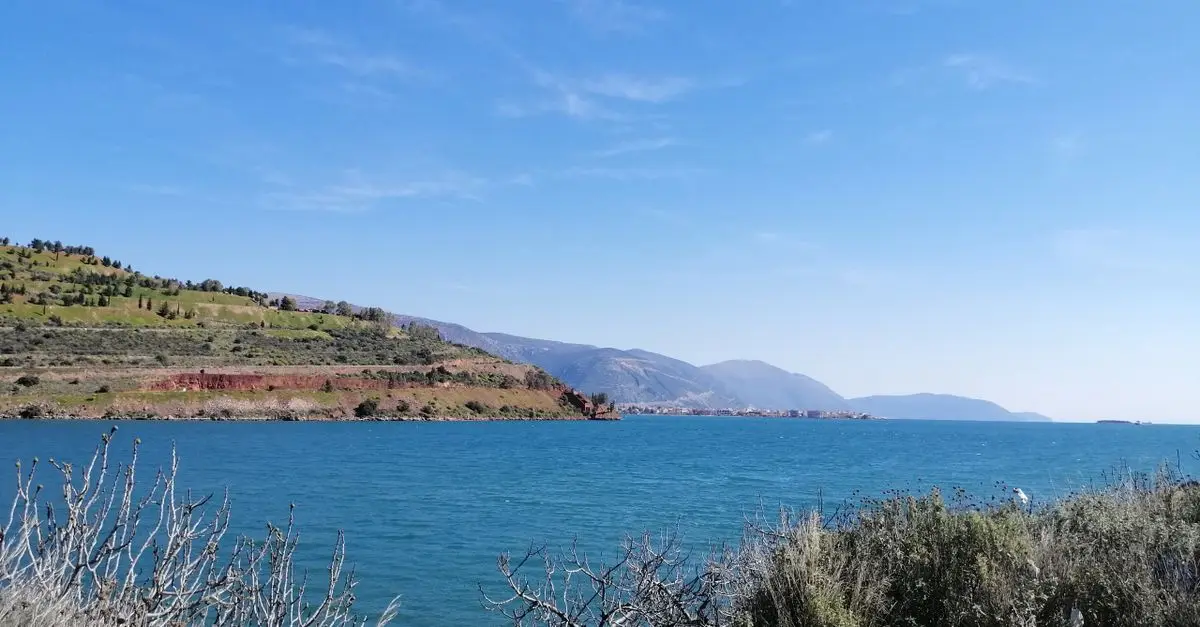
Explore a destination
Greece
Could this be your next chapter?
167Recorded pathways
19Pathway categories
Different ways in.
Find where your story fits.
2026-09-08
Your possibilities
More than one way
More than one way
to start again.
Explore the routes currently recorded for Greece.
Ancestry and return
5 pathwaysY.2-T — Greek-origin permit — Turkey
Source
Recorded route source ↗Y.2-S — Greek-origin permit — former USSR
Source
Recorded route source ↗Y.3 — Family member of Greek-origin person from former USSR
Source
Recorded route source ↗Y.1 — Greek-origin permit outside special-country frameworks
Source
Recorded route source ↗Culture, faith and volunteering
7 pathwaysZ.2 — Member of an artistic group
Source
Recorded route source ↗Z.12-S — Mount Athos study or familiarisation
Source
Recorded route source ↗Z.12-M — Monastic familiarisation or monastic life
Source
Recorded route source ↗E.3-R — Minister of a recognised religion
Source
Recorded route source ↗H.2 — Volunteer service
Source
Recorded route source ↗Z.3 — Intellectual creator
Source
Recorded route source ↗E.3-A — Member of a foreign archaeological school
Source
Recorded route source ↗Family
17 pathwaysO.1-A — Family reunification — dependent adult child
Source
Recorded route source ↗I.6-F — Family member of a foreign press correspondent
Source
Recorded route source ↗M.1-F — Family member of mobile EU long-term resident
Source
Recorded route source ↗O.1-C — Family reunification — minor child
Source
Recorded route source ↗O.3-MP — Parent of a minor Greek citizen
Source
Recorded route source ↗O.2 — Autonomous family residence
Source
Recorded route source ↗O.3-S — Family of Greek citizen — spouse or partner
Source
Recorded route source ↗E.2-F — Family member of an ICT permit holder
Source
Recorded route source ↗B-F — Family member of an investment-permit holder
Source
Recorded route source ↗O.1-S — Family reunification — spouse or registered partner
Source
Recorded route source ↗E.1-F — Family member of an EU Blue Card holder
Source
Recorded route source ↗O.3-P — Family of Greek citizen — parent
Source
Recorded route source ↗O.3-C — Family of Greek citizen — child
Source
Recorded route source ↗Z.13A-F — Family member of a Tech Visa worker
Source
Recorded route source ↗H.3-F — Family member of a researcher
Source
Recorded route source ↗O.3-MS — Sibling of a minor Greek citizen
Source
Recorded route source ↗Z.1-F — Family member of a digital nomad
Source
Recorded route source ↗Free movement
12 pathwaysK.1 — UK national protected by Withdrawal Agreement
Source
Recorded route source ↗N-S — EU/EEA/Swiss self-employed person
Source
Recorded route source ↗N-ST — EU/EEA/Swiss student
Source
Recorded route source ↗N-FA — Non-EU dependent ascendant or other family member
Source
Recorded route source ↗N-PE — Permanent residence — EU citizen
Source
Recorded route source ↗N-FD — Non-EU descendant of mobile EU citizen
Source
Recorded route source ↗K.2 — Family member protected by Withdrawal Agreement
Source
Recorded route source ↗N-FS — Non-EU spouse or partner of mobile EU citizen
Source
Recorded route source ↗N-M — EU/EEA/Swiss person with sufficient means
Source
Recorded route source ↗N-PF — Permanent residence — non-EU family member
Source
Recorded route source ↗N-J — EU/EEA/Swiss jobseeker
Source
Recorded route source ↗N-W — EU/EEA/Swiss employed worker
Source
Recorded route source ↗Humanitarian protection
22 pathwaysA.3-A — Victim of particularly exploitative employment
Source
Recorded route source ↗A.1-WA — Humanitarian permit — workplace-accident victim
Source
Recorded route source ↗A.7 — Cooperating trafficking or smuggling victim
Source
Recorded route source ↗R.2 — Subsidiary-protection residence permit
Source
Recorded route source ↗A.2 — Trafficking victim under Palermo Protocol
Source
Recorded route source ↗A.1-H — Humanitarian permit — life-risking humanitarian act
Source
Recorded route source ↗A.1-DV — Humanitarian permit — domestic-violence victim
Source
Recorded route source ↗R.3 — Temporary-protection residence permit
Source
Recorded route source ↗R.1 — Refugee residence permit
Source
Recorded route source ↗A.4-I — Protected incapacitated adult or institutionalised minor
Source
Recorded route source ↗A.4-H — Serious-health permit
Source
Recorded route source ↗A.4-C — Minor under custody or pending adoption
Source
Recorded route source ↗A.1-T — Humanitarian permit — approved dependency treatment
Source
Recorded route source ↗A.3-M — Minor unlawfully employed
Source
Recorded route source ↗A.4-65 — Permit for resident aged over 65 with deep ties
Source
Recorded route source ↗A.1-RC — Humanitarian permit — racist-crime victim
Source
Recorded route source ↗A.1-C — Humanitarian permit — victim or essential witness of crime
Source
Recorded route source ↗ASY — Application for international protection
Source
Recorded route source ↗A.6-7 — Exceptional reasons — seven years' continuous presence
Source
Recorded route source ↗A.6-G — Exceptional reasons — parent of minor Greek
Source
Recorded route source ↗A.4-F — Minor placed with a foster family
Source
Recorded route source ↗A.5 — Institutional or ecclesiastical boarding-school minor
Source
Recorded route source ↗Investment
18 pathwaysB.3-S — Corporate shareholder or partner investment
Source
Recorded route source ↗B.5-800 — Golden Visa — EUR 800,000 zone
Source
Recorded route source ↗B.4-F — Financial investment — listed securities or bonds
Source
Recorded route source ↗B.1 — Strategic investor
Source
Recorded route source ↗B.5-250C — Golden Visa — EUR 250,000 conversion property
Source
Recorded route source ↗B.3-E — Corporate executive or legal representative
Source
Recorded route source ↗B.5-T — Golden Visa — long-term tourist accommodation or timeshare
Source
Recorded route source ↗B.6 — Startup investment permit
Source
Recorded route source ↗B.5-400 — Golden Visa — EUR 400,000 zone
Source
Recorded route source ↗B.4-C — Financial investment — venture-capital vehicle
Source
Recorded route source ↗B.4-G — Financial investment — Greek-focused mutual fund
Source
Recorded route source ↗B.4-E — Financial investment — term deposit
Source
Recorded route source ↗B.5-I — Golden Visa — qualifying inherited or gifted property
Source
Recorded route source ↗B.4-B — Financial investment — Greek real-estate investment company
Source
Recorded route source ↗B.4-A — Financial investment — Greek company capital
Source
Recorded route source ↗B.4-H — Financial investment — Greece-focused alternative fund
Source
Recorded route source ↗B.5-250L — Golden Visa — EUR 250,000 listed-building restoration
Source
Recorded route source ↗B.4-D — Financial investment — Greek government bonds
Source
Recorded route source ↗Living from your own income
1 pathwaysLong-term residence
10 pathwaysM.3 — Permanent residence for family member of Greek citizen
Source
Recorded route source ↗M.1-ST — Mobility to Greece — EU long-term resident for study or training
Source
Recorded route source ↗M.1-W — Mobility to Greece — EU long-term resident for employment
Source
Recorded route source ↗M.1 — EU long-term resident status
Source
Recorded route source ↗I.9 — Second-chance residence permit
Source
Recorded route source ↗M.2-G — Ten-year permit — born or schooled in Greece
Source
Recorded route source ↗M.1-O — Mobility to Greece — EU long-term resident for other purposes
Source
Recorded route source ↗H.11 — Post-study or post-research job search or entrepreneurship
Source
Recorded route source ↗M.1-S — Mobility to Greece — EU long-term resident for self-employment
Source
Recorded route source ↗M.2-10 — Ten-year residence permit
Source
Recorded route source ↗Medical treatment
3 pathwaysRemote work and digital nomads
1 pathwaysShort stays and visits
4 pathwaysSpecial cases
6 pathwaysI.3 — Private servant of a diplomatic-mission member
Source
Recorded route source ↗D.2 — Family member of diplomatic, consular or international-organisation staff
Source
Recorded route source ↗I.2-C — Adult unmarried child of diplomatic, consular or international-organisation staff
Source
Recorded route source ↗D.1 — Diplomatic, consular or international-organisation staff member
Source
Recorded route source ↗I.2-P — Dependent parent of diplomatic, consular or international-organisation staff
Source
Recorded route source ↗I.1 — Public-interest residence
Source
Recorded route source ↗Sport
3 pathwaysStarting a business
2 pathwaysStudy
19 pathwaysH.9-N — Merchant-navy academy or school
Source
Recorded route source ↗H.5.1 — Vocational education and training
Source
Recorded route source ↗H.7-S — Scholarship holder
Source
Recorded route source ↗Z.16 — Foreign-university college courses and internship
Source
Recorded route source ↗H.5.2 — College studies
Source
Recorded route source ↗H.4 — Unpaid traineeship under Directive 2016/801
Source
Recorded route source ↗H.8 — Foreign-university summer-study programme
Source
Recorded route source ↗H.9-MU — Music educational institution
Source
Recorded route source ↗Z.11 — Fulbright scholar
Source
Recorded route source ↗H.7-P — Participant in a special study programme
Source
Recorded route source ↗H.9-AT — Athonias Ecclesiastical Academy
Source
Recorded route source ↗H.1 — Higher-education studies
Source
Recorded route source ↗H.9-M — Military or security school
Source
Recorded route source ↗H.9-GL — Greek-language course at a higher-education centre
Source
Recorded route source ↗Z.8 — Paid higher-education internship
Source
Recorded route source ↗H.1-M — Student mobility under an EU or multilateral programme
Source
Recorded route source ↗H.9-A — Aviation pilot, engineer or cabin-crew school
Source
Recorded route source ↗H.6 — Employee in a validated or franchised foreign-university college programme
Source
Recorded route source ↗H.10 — Medical-specialty training
Source
Recorded route source ↗Talent and merit
6 pathwaysH.3 — Researcher
Source
Recorded route source ↗Z.15 — Talent Visa
Source
Recorded route source ↗Z.14 — Visiting professor
Source
Recorded route source ↗H.3-LM — Long-term researcher mobility
Source
Recorded route source ↗H.3-SM — Short-term researcher mobility
Source
Recorded route source ↗I.6 — Foreign press correspondent
Source
Recorded route source ↗Transit
2 pathwaysWork
25 pathwaysZ.5 — Service provider from third-country company
Source
Recorded route source ↗Z.13 — Infrastructure-project specialist staff
Source
Recorded route source ↗E.4 — Employment by invitation
Source
Recorded route source ↗E.3-AG — Worker under interstate agreement or authority recommendation
Source
Recorded route source ↗Z.10 — Wildfire-season aviation staff
Source
Recorded route source ↗E.2-LM — ICT long-term mobility
Source
Recorded route source ↗Z.13A — Tech Visa — Elevate Greece company
Source
Recorded route source ↗E.6 — Seasonal-worker residence permit
Source
Recorded route source ↗E.3-T — Teacher at a foreign school
Source
Recorded route source ↗E.3-H — Hydrocarbon offshore director or technical staff
Source
Recorded route source ↗E.5-T — Seasonal work visa — tourism or hospitality
Source
Recorded route source ↗E.2-M — ICT permit — manager
Source
Recorded route source ↗E.5-EG — Seasonal work visa — bilateral Egypt route
Source
Recorded route source ↗E.5-F — Seasonal work visa — fishing
Source
Recorded route source ↗E.2-SM — ICT short-term mobility
Source
Recorded route source ↗E.1 — EU Blue Card
Source
Recorded route source ↗E.2-T — ICT permit — trainee employee
Source
Recorded route source ↗Z.6 — Organised-tour group leader
Source
Recorded route source ↗E.3-C — Foreign-company or shipping-company staff or representative
Source
Recorded route source ↗Z.4 — Posted service provider from EU/EEA company
Source
Recorded route source ↗E.5-A — Seasonal work visa — agriculture
Source
Recorded route source ↗E.2-S — ICT permit — specialist
Source
Recorded route source ↗E.1-M — EU Blue Card — long-term mobility from another EU state
Source
Recorded route source ↗E.3-I — Mine or industrial technical staff
Source
Recorded route source ↗E.3-SI — Strategic-investment executive
Source
Recorded route source ↗Youth mobility
4 pathwaysNo pathways match. Try another search or category.
A country you like.
A pathway that fits?
Get your free results
Not legal advice. Check each pathway's recorded answers and linked sources before applying.