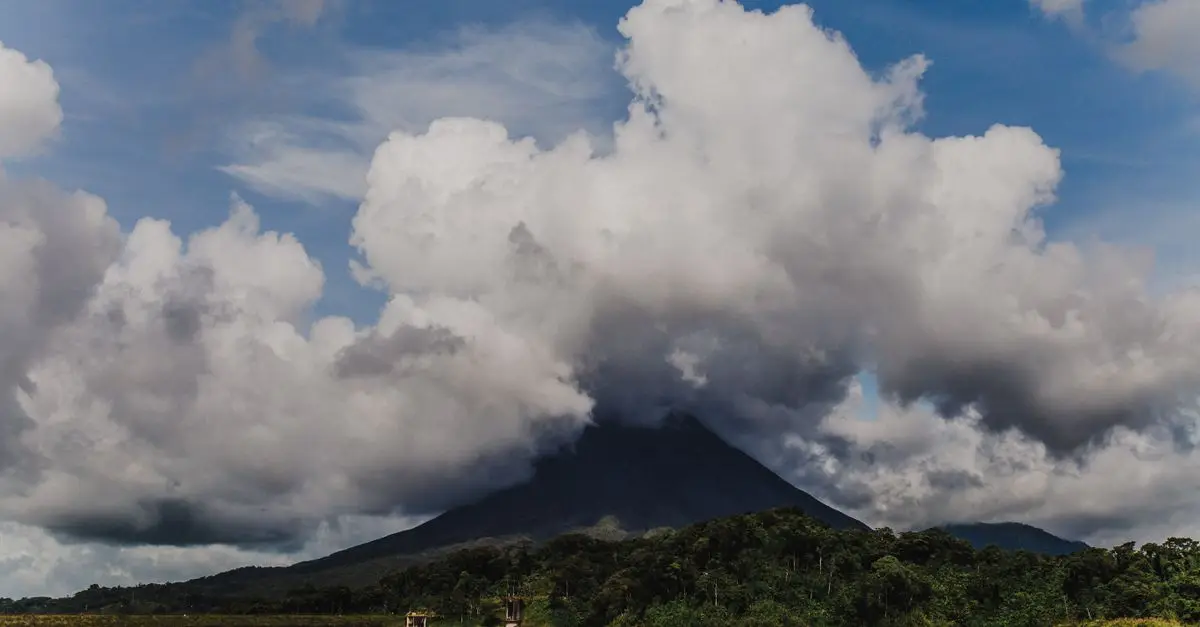
Explore a destination
Costa Rica
Could this be your next chapter?
62Recorded pathways
16Pathway categories
Different ways in.
Find where your story fits.
2026-09-08
Your possibilities
More than one way
More than one way
to start again.
Explore the routes currently recorded for Costa Rica.
Culture, faith and volunteering
2 pathwaysFamily
9 pathwaysSpecial Category through a Permanent Resident Link
Source
Recorded route source ↗Temporary Residence as Spouse or Judicially Recognised Partner of a Costa Rican
Source
Recorded route source ↗Special Category for Dependants of a Student
Source
Recorded route source ↗Permanent Residence through First-Degree Costa Rican Family Link
Source
Recorded route source ↗Special Category through a Costa Rican Citizen Link
Source
Recorded route source ↗Special Category through a Guardian or Curator
Source
Recorded route source ↗Special Category for Dependants of Researchers, Teachers, Professionals or Volunteers
Source
Recorded route source ↗Special Category through a Temporary Resident Link
Source
Recorded route source ↗Temporary Residence as Dependent of a Temporary Resident
Source
Recorded route source ↗Humanitarian protection
8 pathwaysDiplomatic or Territorial Asylum and Recognised Asylee Status
Source
Recorded route source ↗Special Category for Humanitarian Reasons
Source
Recorded route source ↗Special Category for a Minor under PANI Protection
Source
Recorded route source ↗Statelessness Determination and Special Documentation
Source
Recorded route source ↗Temporary Complementary Category for Defined Refugee Applicants (2026 Intake)
Source
Recorded route source ↗Refugee Family Extension or Reunification
Source
Recorded route source ↗Special Status for a Recognised Trafficking Victim
Source
Recorded route source ↗Application for Refugee Status
Source
Recorded route source ↗Investment
1 pathwaysLiving from your own income
2 pathwaysLong-term residence
2 pathwaysMedical treatment
1 pathwaysRemote work and digital nomads
1 pathwaysShort stays and visits
6 pathwaysTourism or Permitted Non-Resident Visit - Visa Group One
Source
Recorded route source ↗Tourism or Permitted Non-Resident Visit - Visa Group Two
Source
Recorded route source ↗Special Category for Business Visitors
Source
Recorded route source ↗Tourism or Permitted Non-Resident Visit - Restricted Visa Group Four
Source
Recorded route source ↗Tourism or Permitted Non-Resident Visit - Consular Visa Group Three
Source
Recorded route source ↗Non-Resident Estancia for Business Agents or Delegates
Source
Recorded route source ↗Special cases
4 pathwaysSpecial Category as Non-Working Border Resident
Source
Recorded route source ↗Special Category for Invited Short-Stay Students, Teachers, Interns, Researchers or Volunteers
Source
Recorded route source ↗Special Category for State Guests, Public-Security Cases or Judicial Witnesses
Source
Recorded route source ↗Special Category for an Adult Child of an Accredited Diplomatic Agent
Source
Recorded route source ↗Sport
1 pathwaysStarting a business
3 pathwaysStudy
2 pathwaysTalent and merit
7 pathwaysSpecial Category for Artists, Athletes, Public Performers or Distinguished Invitees
Source
Recorded route source ↗Special Category for Teachers
Source
Recorded route source ↗Non-Resident Estancia for Foreign Media Personnel
Source
Recorded route source ↗Special Category for Researchers
Source
Recorded route source ↗Temporary Residence for Scientists, Professionals or Interns
Source
Recorded route source ↗Non-Resident Estancia for a Person of Special Relevance
Source
Recorded route source ↗Temporary Residence for Press Correspondents
Source
Recorded route source ↗Transit
3 pathwaysWork
10 pathwaysTemporary Residence for Executives, Representatives, Managers or Technical Personnel
Source
Recorded route source ↗Special Category for Workers on Specific or Public-Interest Projects
Source
Recorded route source ↗Special Category for Specific-Occupation Employee of a Natural Person
Source
Recorded route source ↗Special Category for Cross-Border Workers
Source
Recorded route source ↗Special Category for After-Sales Service Personnel
Source
Recorded route source ↗Special Category for Specific-Occupation Employee of a Legal Person
Source
Recorded route source ↗Temporary Residence for a Specialised Technician
Source
Recorded route source ↗Temporary Residence for a Specialised Dependent Employee
Source
Recorded route source ↗Special Category for Temporary Workers
Source
Recorded route source ↗Special Category for Intra-Company Transferees
Source
Recorded route source ↗No pathways match. Try another search or category.
A country you like.
A pathway that fits?
Get your free results
Not legal advice. Check each pathway's recorded answers and linked sources before applying.