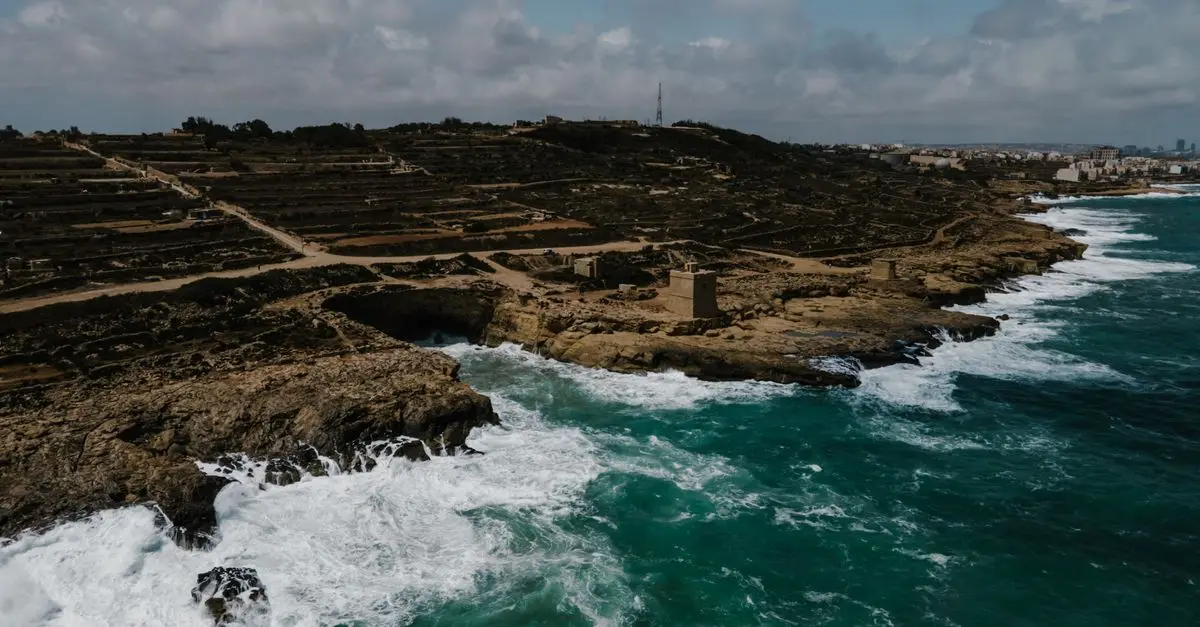
Explore a destination
Malta
Could this be your next chapter?
46Recorded pathways
17Pathway categories
Different ways in.
Find where your story fits.
2026-09-08
Your possibilities
More than one way
More than one way
to start again.
Explore the routes currently recorded for Malta.
Culture, faith and volunteering
2 pathwaysFamily
8 pathwaysEU Free-Movement Family Residence Card
Source
Recorded route source ↗Dependant of a Diplomat Temporary Permit
Source
Recorded route source ↗Ex-Gratia Family Members Policy
Source
Recorded route source ↗Partner of a Maltese Citizen Temporary Permit
Source
Recorded route source ↗Dependent Child of a Maltese National Temporary Permit
Source
Recorded route source ↗Statutory Third-Country Family Reunification
Source
Recorded route source ↗Parent of a Maltese National Temporary Permit
Source
Recorded route source ↗Family Reunification with a Recognised Refugee
Source
Recorded route source ↗Free movement
4 pathwaysHumanitarian protection
4 pathwaysInvestment
1 pathwaysLiving from your own income
2 pathwaysLong-term residence
4 pathwaysMedical treatment
1 pathwaysRemote work and digital nomads
1 pathwaysShort stays and visits
1 pathwaysSport
1 pathwaysStarting a business
3 pathwaysStudy
2 pathwaysTalent and merit
3 pathwaysTransit
1 pathwaysWork
7 pathwaysResearcher Residence and Work Permit
Source
Recorded route source ↗Intra-Corporate Transfer Permit
Source
Recorded route source ↗Employment Permit for Less Than Six Months
Source
Recorded route source ↗Single Permit for Employment over Six Months
Source
Recorded route source ↗Posted Worker Temporary Residence Permit
Source
Recorded route source ↗Seasonal Worker Permit
Source
Recorded route source ↗Service Provider Temporary Residence Permit
Source
Recorded route source ↗Youth mobility
1 pathwaysNo pathways match. Try another search or category.
A country you like.
A pathway that fits?
Get your free results
Not legal advice. Check each pathway's recorded answers and linked sources before applying.