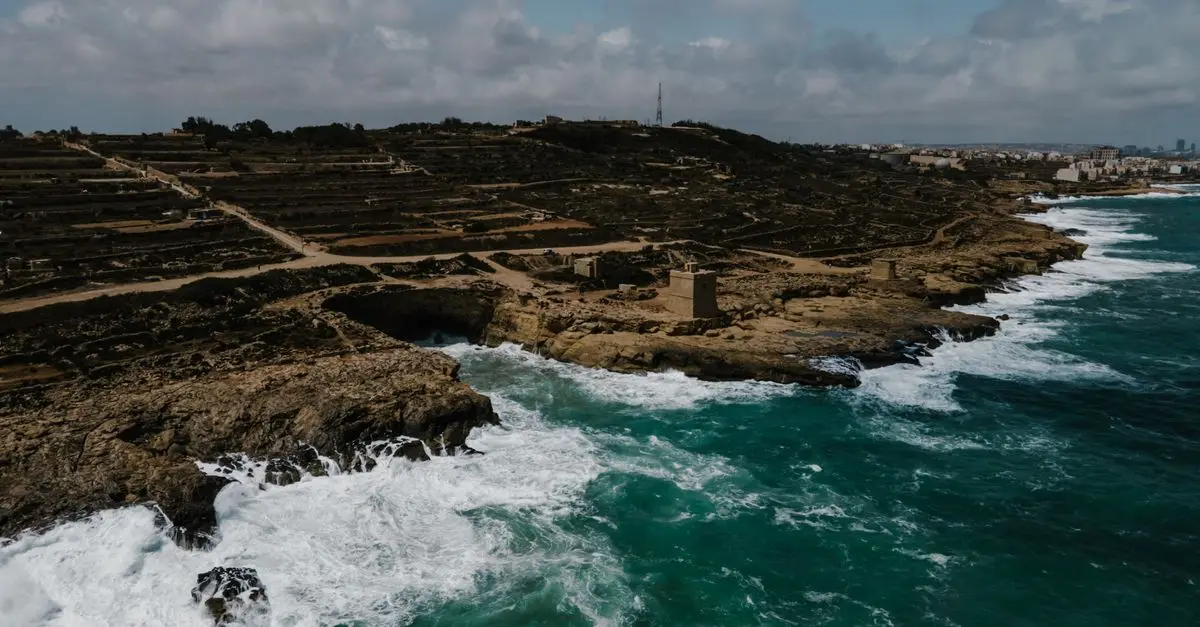
Malta at a Glance
Malta offers 6 distinct visa pathways for skilled workers and migrants in 2026. Located in Southern Europe, processing times range from 1–6 months. The country scores a quality of life index of 7.8/10 and a safety score of 8.5/10. Monthly living costs for a single person range from €1,488–€1,750 depending on the city. The primary language is Maltese. Permanent residency is achievable in as few as 5 years. Top-scoring professions for immigration include Doctor (7.5/10), Software Engineer (7.2/10), Data Analyst (7.2/10). Overall migration friendliness is rated 7.5/10. Figures as of May 2026 (official sources, last verification).
Visa Programs
| Program | Min Income | Min Savings | Language | Processing | Path to PR | Citizenship |
|---|---|---|---|---|---|---|
| Single Permit | €21,000/yr salary | — | English (A2) | 1–2 weeks | — | 5 years |
| EU Blue Card | — | — | English (B2) | 1–1 weeks | 5 years | 5 years |
| Key Employee Initiative | €2,500/monthly, €30,000/yr salary | — | English (B2) | 1–0 weeks | — | 5 years |
| Specialist Employee Initiative | €2,500/monthly, €30,000/yr salary | — | English (B2) | 17–17 weeks | — | 5 years |
| Nomad Residence Permit | €3,500/monthly, €42,000/yr salary | — | — | 4–8 weeks | — | — |
| Malta Permanent Residence Programme | €8,333/monthly, €100,000/yr salary | €500,000 | — | 17–25 weeks | — | — |
Financial Requirements
€21,000/year minimum salary
Single Permit for Malta.
€2,500/monthly minimum income | €30,000/year minimum salary
Key Employee Initiative for Malta.
€2,500/monthly minimum income | €30,000/year minimum salary
Specialist Employee Initiative for Malta.
€3,500/monthly minimum income | €42,000/year minimum salary
Nomad Residence Permit for Malta.
€8,333/monthly minimum income | €100,000/year minimum salary | €500,000 minimum savings/investment
Malta Permanent Residence Programme for Malta.
Cost of Living
Top Professions for Emigrating
| Profession | Score | Est. Net Monthly |
|---|---|---|
| Doctor (license req.) | 7.5/10 | €3,203/mo |
| Software Engineer | 7.2/10 | €2,656/mo |
| Data Analyst | 7.2/10 | €2,343/mo |
| Cybersecurity Specialist | 7.2/10 | €2,178/mo |
| AI Engineer | 7.2/10 | €2,562/mo |
| Dentist (license req.) | 7.2/10 | €2,562/mo |
| Pharmacist (license req.) | 7.2/10 | €2,050/mo |
| Civil Engineer | 7.2/10 | €2,343/mo |
| Accountant | 7.2/10 | €2,125/mo |
| Architect (license req.) | 7.2/10 | €2,031/mo |
Downloadable Data
Explore More: Malta
- Visa Comparison for Malta (2026)
- Cost of Living in Malta (2026)
- Salaries by Profession in Malta (2026)
- Malta for Accountant (2026)
- Malta for Civil Engineer (2026)
- Malta for Nurse (2026)
- Malta for Software Engineer (2026)
- Malta for Teacher (2026)
- Eu Blue Card — Malta
- Key Employee Initiative — Malta
- Permanent Residence Programme — Malta
- Nomad Residence Permit — Malta
- Single Permit — Malta
- Specialist Employee Initiative — Malta
- Cyprus Vs Malta
- Portugal Vs Malta
- Spain Vs Malta
- Digital Nomad Visa for Malta
- Visa Requirements for Malta
Official sources
Requirements on this page are based on these official and statistical sources:
- nomad.residencymalta.gov.mt — nomad.residencymalta.gov.mt
- identita.gov.mt — identita.gov.mt
- www.residencymalta.gov.mt — www.residencymalta.gov.mt
- singlepermit.gov.mt — singlepermit.gov.mt
Frequently Asked Questions
How many immigration pathways does Malta have?
Malta has 6 active immigration pathways in 2026, including digital nomad, investor, skilled worker routes. Each pathway has different requirements for income, qualifications, and experience.
What is the cost of living in Malta?
Monthly costs for a single person in city center: Valletta: €1,750/month; Sliema: €1,750/month; St. Julian's: €1,750/month; St. Julian's: €1,488/month. These include rent, groceries, transport, and utilities.
Can I get permanent residency in Malta?
Yes. Path to PR timelines by visa type: EU Blue Card: 5 years. Requirements and conditions vary by pathway.
What are the best professions for emigrating to Malta?
The highest-scoring professions for Malta are: Doctor, Software Engineer, Data Analyst. Scores consider visa accessibility, salary competitiveness, cost of living, and quality of life.
What types of visas does Malta offer?
Malta offers the following visa categories: Digital Nomad: Nomad Residence Permit; Investor: Malta Permanent Residence Programme; Skilled Worker: Single Permit, EU Blue Card, Key Employee Initiative, Specialist Employee Initiative.
Can I bring my family to Malta?
Yes. 6 pathways allow family members. Options include: Specialist Employee Initiative, EU Blue Card, Single Permit, Key Employee Initiative. Spouses may also be eligible to work depending on the visa type.
Does Malta have a digital nomad or freelance visa?
Yes. Malta offers: Nomad Residence Permit. These are designed for remote workers and self-employed professionals with income from outside the country.
How long does visa processing take in Malta?
Processing times vary by pathway: Single Permit: 3-15 days; EU Blue Card: 5-10 days; Key Employee Initiative: 5-5 days; Specialist Employee Initiative: 120-120 days; Nomad Residence Permit: 30-60 days. Times may vary based on nationality and completeness of application.
What are the financial requirements to emigrate to Malta?
Financial thresholds depend on the visa type. Minimum income requirements: Key Employee Initiative: €2,500/month; Specialist Employee Initiative: €2,500/month; Nomad Residence Permit: €3,500/month; Malta Permanent Residence Programme: €8,333/month. Some pathways also require proof of savings.
What is the quality of life like in Malta?
Malta scores quality of life: 7.8/10, safety: 8.5/10, healthcare: 8.0/10. These ratings consider healthcare access, public safety, infrastructure, and overall living standards for expatriates.
Get your personalized Malta report
Find out which visa programmes you qualify for, what they cost, and how to apply — based on your profile.
Also Consider
Not sure which country fits your profile best?
Get Your Free Verdict →