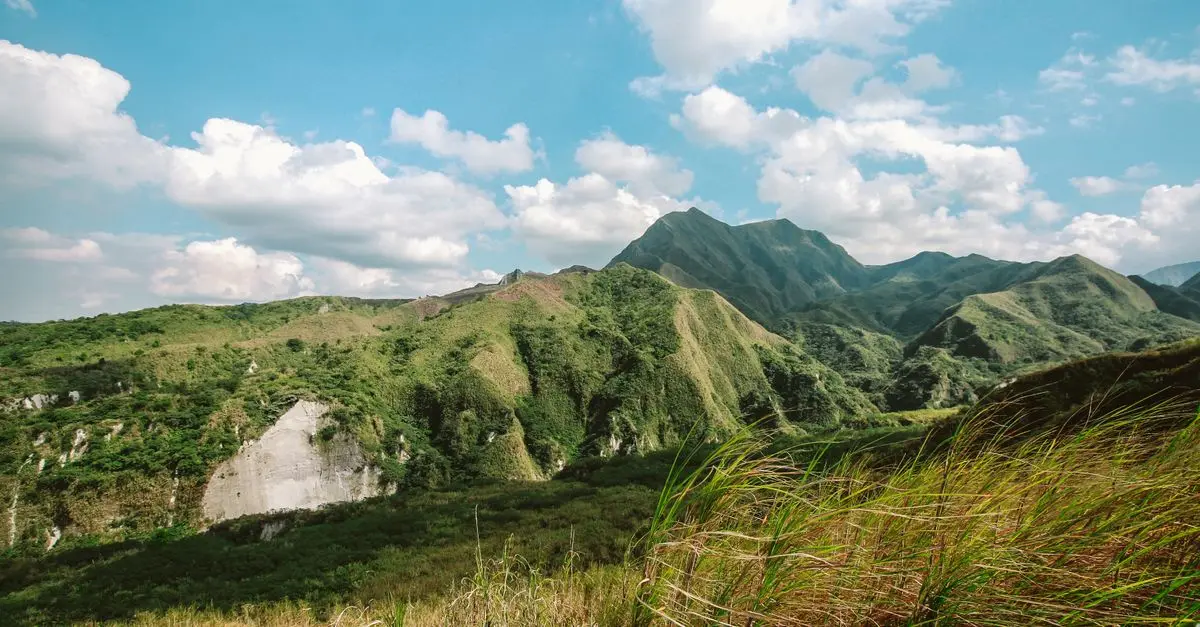
Explore a destination
Philippines
Could this be your next chapter?
38Recorded pathways
15Pathway categories
Different ways in.
Find where your story fits.
2026-09-08
Your possibilities
More than one way
More than one way
to start again.
Explore the routes currently recorded for Philippines.
Ancestry and return
2 pathwaysCulture, faith and volunteering
1 pathwaysFamily
8 pathwaysNon-quota immigrant visa — child born abroad of immigrant mother
Source
Recorded route source ↗Temporary Resident Visa by Marriage — non-reciprocity national
Source
Recorded route source ↗Permanent Resident Visa by Marriage — amendment from probationary status
Source
Recorded route source ↗Non-quota immigrant visa — child born after parent's immigrant visa
Source
Recorded route source ↗Immigrant Visa by Marriage (13A) — probationary
Source
Recorded route source ↗Temporary Resident Visa — Indian national married to Filipino
Source
Recorded route source ↗Permanent Resident Visa (probationary) — Chinese national married to Filipino
Source
Recorded route source ↗Permanent Resident Visa — eligible Filipino World War II veteran family
Source
Recorded route source ↗Humanitarian protection
1 pathwaysInvestment
1 pathwaysLiving from your own income
1 pathwaysLong-term residence
2 pathwaysRemote work and digital nomads
1 pathwaysShort stays and visits
5 pathwaysTemporary Visitor Visa (9A) — visa-required national
Source
Recorded route source ↗Visa-free temporary visitor entry — EO 408 nationals (30 days)
Source
Recorded route source ↗Temporary Visitor (9A) — extension beyond 59 days / LSVVE
Source
Recorded route source ↗Temporary Visitor (9A) — initial 29-day visa waiver extension
Source
Recorded route source ↗Visa-free temporary visitor entry — Israeli and Brazilian nationals (59 days)
Source
Recorded route source ↗Special cases
3 pathwaysSport
1 pathwaysStarting a business
2 pathwaysStudy
2 pathwaysTransit
1 pathwaysWork
7 pathwaysPre-arranged Employment Visa (9G) — commercial
Source
Recorded route source ↗Special Non-Immigrant Visa — multinational regional headquarters personnel
Source
Recorded route source ↗Special Work Permit — commercial short-term employment
Source
Recorded route source ↗Special Employment Visa — Offshore Banking Unit (PD 1034)
Source
Recorded route source ↗Provisional Work Permit — pending 9G application
Source
Recorded route source ↗Seafarer or Crew List Visa (9C)
Source
Recorded route source ↗PEZA Special Non-Immigrant Visa
Source
Recorded route source ↗No pathways match. Try another search or category.
A country you like.
A pathway that fits?
Get your free results
Not legal advice. Check each pathway's recorded answers and linked sources before applying.