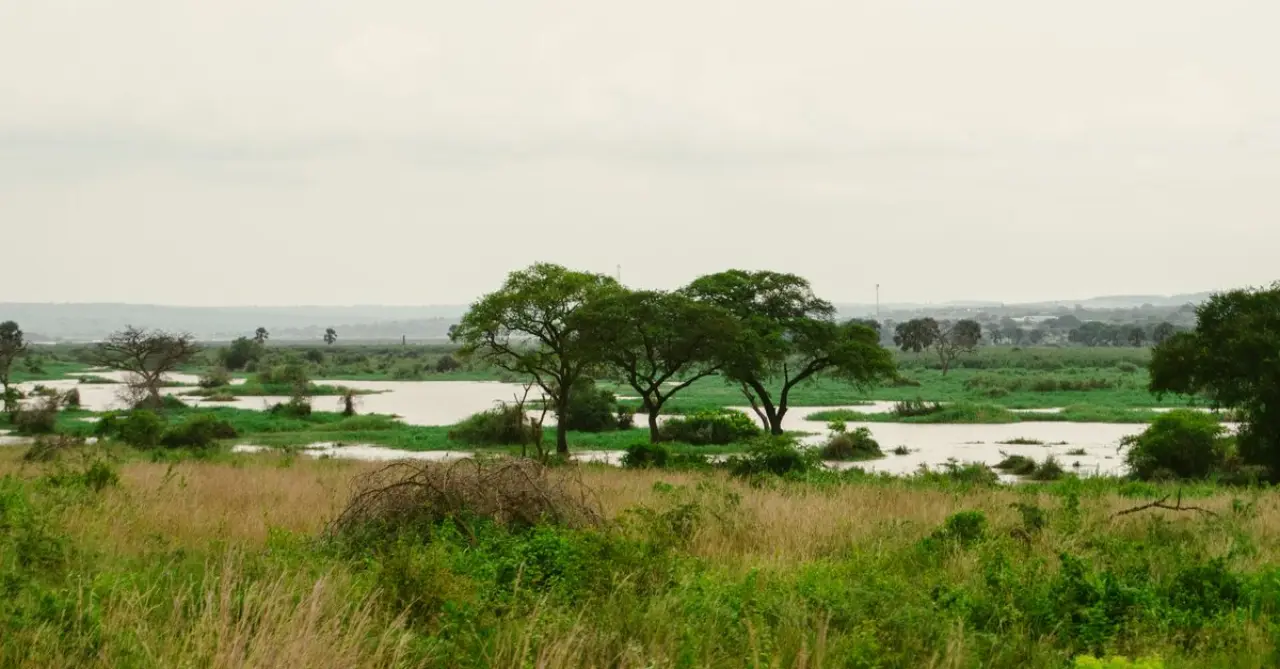
Explore a destination
Uganda
Could this be your next chapter?
23Recorded pathways
11Pathway categories
Different ways in.
Find where your story fits.
2026-09-08
Your possibilities
More than one way
More than one way
to start again.
Explore the routes currently recorded for Uganda.
Ancestry and return
1 pathwaysFamily
2 pathwaysHumanitarian protection
1 pathwaysInvestment
4 pathwaysClass B1 Entry Permit - Agriculture Shareholder
Source
Recorded route source ↗Class C1/C2 Entry Permit - Mining Shareholder
Source
Recorded route source ↗Class B2 Entry Permit - Agro-Processing Shareholder
Source
Recorded route source ↗Class E Entry Permit - Manufacturing Shareholder
Source
Recorded route source ↗Living from your own income
1 pathwaysLong-term residence
1 pathwaysShort stays and visits
5 pathwaysUganda Multiple-Entry Visa
Source
Recorded route source ↗Uganda Tourist Visa - Single Entry
Source
Recorded route source ↗Individual Special Pass for Medical Treatment or Immigration Formalities
Source
Recorded route source ↗Transit Visa
Source
Recorded route source ↗East African Tourist Visa
Source
Recorded route source ↗Starting a business
2 pathwaysStudy
1 pathwaysTalent and merit
1 pathwaysWork
4 pathwaysNo pathways match. Try another search or category.
A country you like.
A pathway that fits?
Get your free results
Not legal advice. Check each pathway's recorded answers and linked sources before applying.