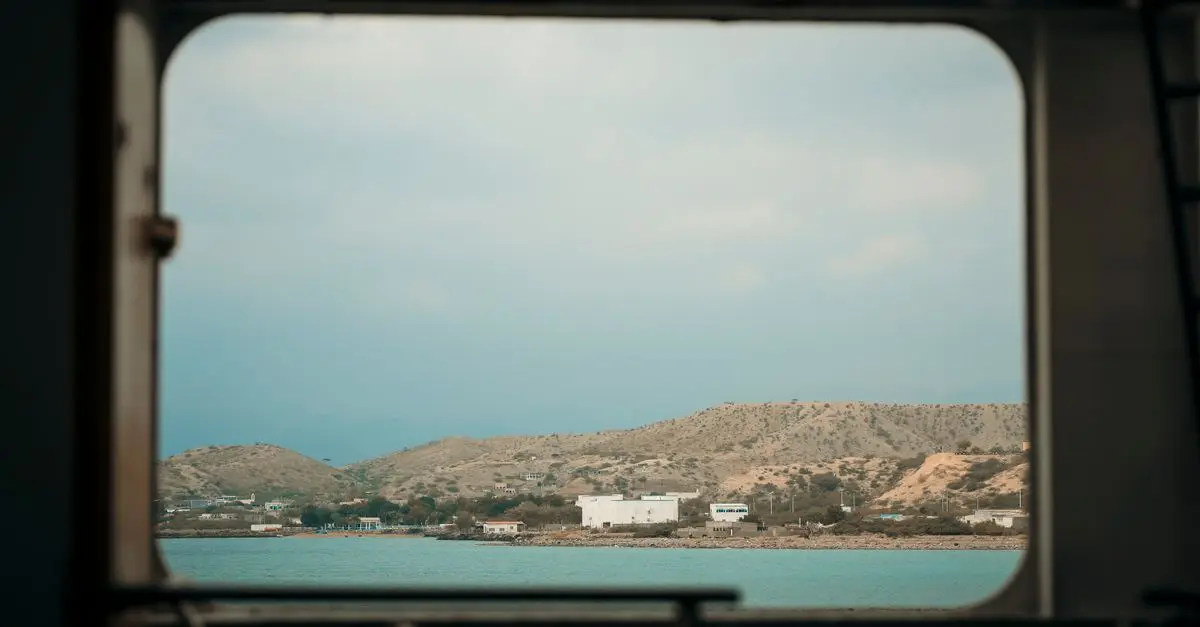
With a composite score of 3.6/10, Djibouti ranks as a challenging but possible destination for teachers seeking to emigrate in 2026. The country offers 3 visa pathways, with the Free Zone Worker as the top pick with an estimated net monthly income of €500.
Visa Pathways for Teachers
| Pathway | Income Req. | Processing | Path to PR | Difficulty |
|---|---|---|---|---|
| Djibouti Work Permit | Varies | 30-60 days | 5 years | 6.5/10 |
| Free Zone Work Permit | Varies | 14-30 days | 5 years | 5.0/10 |
Is Djibouti right for you?
Take our free quiz and get matched with visa programmes that fit your profile, income, and goals.
Frequently Asked Questions
Can I emigrate to Djibouti as a teacher?
Absolutely. Djibouti actively accepts teachers through pathways such as Djibouti Work Permit, Business/Investor Visa, Free Zone Work Permit. With a composite score of 3.6/10, it is a realistic destination.
What salary can teachers expect in Djibouti?
Djibouti scores 2/10 for salary competitiveness among teachers. The estimated net monthly income is €500. Keep in mind that high cost of living affects real purchasing power.
Do teachers need professional recognition in Djibouti?
Formal professional recognition is generally not mandatory for teachers in Djibouti, although employers may value internationally recognised credentials.
How long does it take to get permanent residency in Djibouti?
Permanent residency timelines range from 5 to 5 years in Djibouti. Via the Free Zone Worker, the timeline sits at the shorter end. Naturalisation typically requires 10 years.
What is the cost of living in Djibouti?
Djibouti has a high cost of living. Budget approximately €1150/month as a single professional. Our affordability score is 5/10.