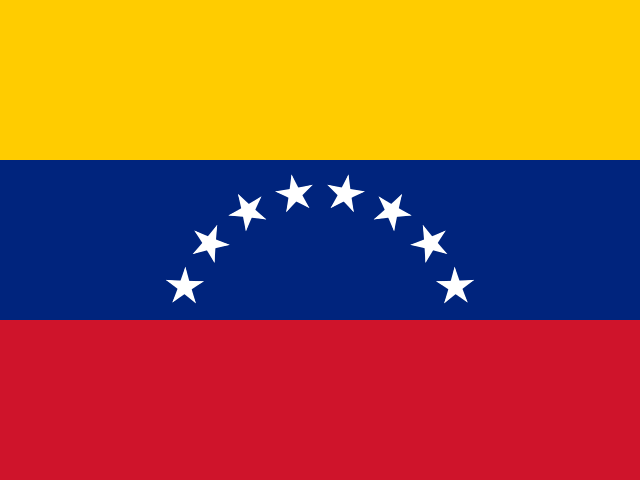
 Digital Nomad
- See the data table below for detailed numbers
- Check the FAQ section for common expat questions
- Use our free assessment to get personalised results
More remote workers are choosing Venezuela as their base. Here's what the experience is actually like — and what to watch out for.
Digital Nomad Overview
| Factor | Details |
|---|---|
| Internet Speed | 5.2 Mbps |
| Monthly Budget (Comfortable) | €216 |
| Climate Zone | Tropical |
| Summer Temperature | 28.5°C |
| Winter Temperature | 24.8°C |
| English Proficiency | Low (43/100) |
| Safety Index | 19.6/100 |
Visa options for remote workers
Entry and residence rules depend on the actual programme, nationality and work arrangement. The generic visa duration and document list previously shown here were not linked to a country-specific rule and have been removed. Explore recorded pathways for this country and consult the relevant official source for each route.
Internet & Connectivity
With an average download speed of 5.2 Mbps, Venezuela offers basic internet for remote work.
Tips for Reliable Internet
- Coworking spaces: Dedicated internet and backup power
- Mobile data: Get a local SIM card as backup (calling code: +58)
- Accommodation: Ask about internet speed before booking (request a speed test screenshot)
- VPN: Use a reliable VPN for security on public networks
Cost of Living for Digital Nomads
| Expense | Monthly Cost |
|---|---|
| Rent (1BR, City Centre) | €85 |
| Groceries | €65 |
| Dining Out (per meal) | €8 |
| Transport | €2 |
| Coworking Space | €100-300/month (estimated) |
| Total Estimate | €216 |
Climate & Lifestyle
Venezuela has a tropical climate:
- Summer: Average 28.5°C
- Winter: Average 24.8°C
Community & Networking
- Coworking spaces: Caracas and other major cities have growing coworking scenes
- Nomad communities: Check NomadList, Facebook groups, and Meetup for Venezuela-based digital nomad events
- Language exchanges: Great way to meet locals and practice the language
- Networking events: Tech meetups, startup events, and professional mixers
Tips for Digital Nomads in Venezuela
- Test before committing: Spend 1-2 months on a tourist visa before deciding to stay longer
- Understand tax obligations: Staying 183+ days may make you tax resident
- Get proper insurance: International health insurance with emergency evacuation
- Backup your work: Cloud storage + local backup. Power cuts can happen
- Time zones: Venezuela is in the UTC-04:00 timezone. Plan meetings with clients accordingly
- Explore the region: Border countries include BRA, COL, GUY — easy weekend trips.
Planning to move to Venezuela?
Explore recorded pathways and source links. This questionnaire does not determine eligibility or recommend a destination.
Get your free resultsFrequently Asked Questions
Is Venezuela LGBTQ+ friendly?
LGBTQ+ rights and social acceptance vary significantly across countries. Research Venezuela's specific laws and social attitudes before deciding. Major cities tend to be more accepting than rural areas. Expat forums and LGBTQ+ travel resources can provide first-hand accounts.
How reliable is the power supply in Venezuela?
With an internet speed of 5.2 Mbps, infrastructure in Venezuela is developing. Power outages can occur in some areas. Coworking spaces often have backup generators. Always save your work frequently.
Is Venezuela safe for digital nomads?
With a safety index of 19.6/100, Venezuela is considered requires caution. Standard precautions apply.
How is the work-life balance for nomads in Venezuela?
With a climate described as tropical and Moderate safety, Venezuela offers a developing lifestyle outside work hours.
What SIM card should I get in Venezuela?
Get a local prepaid SIM card on arrival — available at airports, mobile shops, and convenience stores. Data plans in Venezuela typically cost €10-30/month for 10-50GB. Major providers offer good 4G/5G coverage in urban areas. Bring an unlocked phone.
Visa rules change every month.
Get the changes that matter for your move — one email a month, unsubscribe anytime.
About the author
António Mira is the founder of whereTOemigrate. For over a decade he has worked at the intersection of Portuguese real estate and overseas business, helping international clients navigate the cross-border decisions that come with relocating. He sits on the board of CCIAP (Portuguese-Arab Chamber of Commerce), the Portuguese-Saudi Business Council, and the Portugal-Hong Kong Business Association — always with one focus: enabling overseas business and human mobility into and out of Portugal.
How we verify our data · Editorial standards · About whereTOemigrate