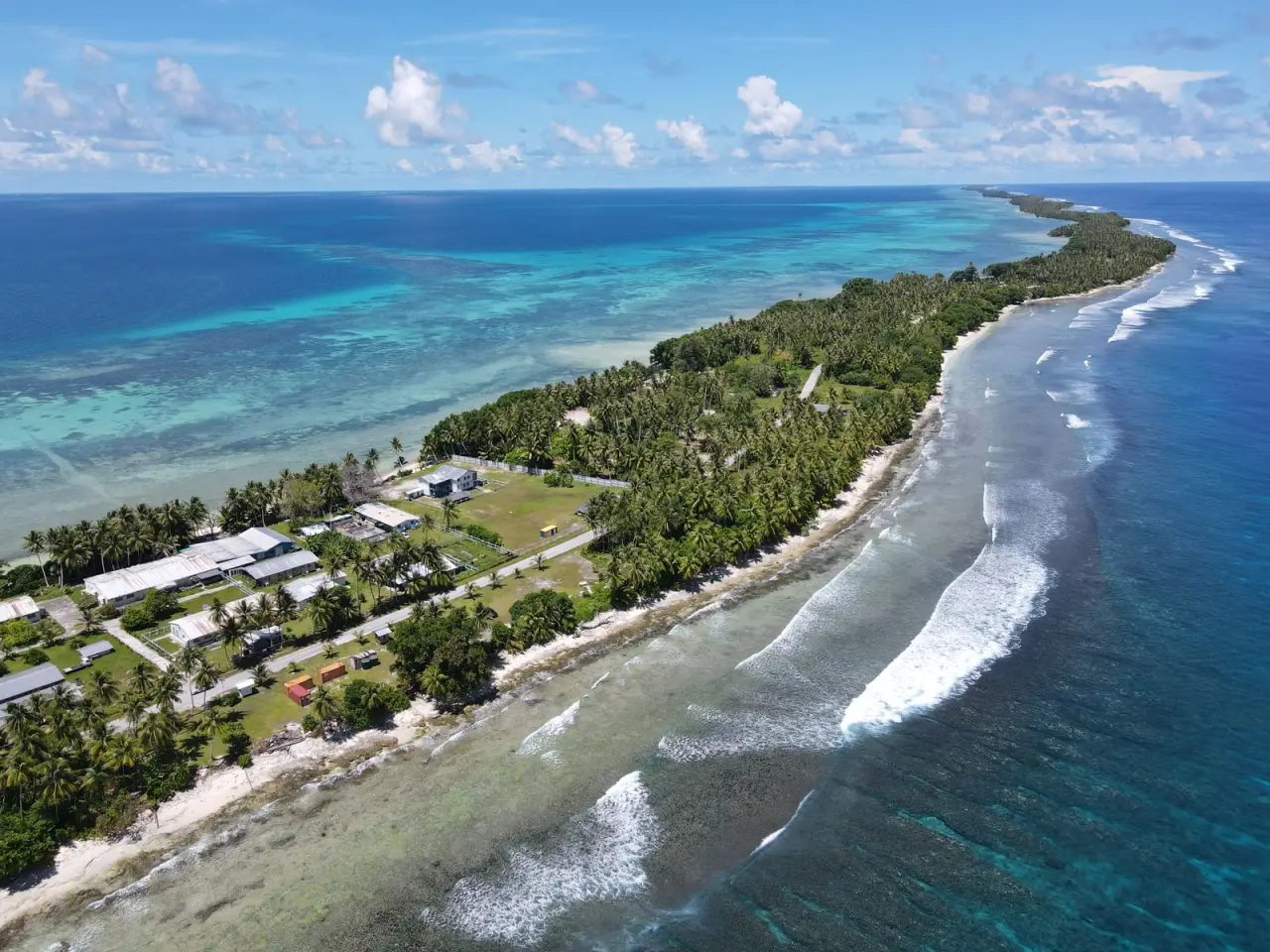
TV country scene

Diplomatic, Consular and Privileged Person Entry Exemption

TuvaluSpecial cases

Explore the five recorded questions, answers and sources for this pathway.

Official link

What exactly is the official special programme/status and why does it exist?

A person duly accredited as a diplomatic or consular representative to Tuvalu (and their family), or a person on whom the immunities and privileges under Part II or III of the Schedule to the Diplomatic Privileges Act have been conferred (and their family), is entitled to enter Tuvalu without a permit under section 7(1)(c)-(d) of the Immigration Act (CAP 24.15).

See recorded sources

Which specific population, role, circumstance or historical/legal situation does it cover?

Besides the accredited representative or privileged person, the exemption covers that person's family. The Act defines 'family' as wife and children under 18, and 'child' as a legitimate or legitimated child, a stepchild, a child adopted in a manner recognised by Tuvalu law or, in relation to its mother, an illegitimate child.

See recorded sources
Limits of the record
  • Husbands, partners and children aged 18 or over are not covered by the definition of family.
  • The family-limb fragments are part of the s.7(1)(c)-(d) text cited in R1.

What circumstance, event, relationship, nomination, invitation or status activates access?

Access is activated by being duly accredited as a diplomatic or consular representative to Tuvalu, or by having the immunities and privileges in Part II or Part III of the Schedule to the Diplomatic Privileges Act conferred under that Act.

See recorded sources
Limits of the record
  • The accreditation and conferral procedures themselves are not described in the Immigration Act.
  • These fragments are part of the s.7(1)(c)-(d) text cited in R1; here they are used only for the trigger.

What sponsor, authority, nomination, certification, evidence or other step must occur before the status can be obtained?

The burden of proving that the person falls within the exemption lies on that person. The official source does not state the documents or certifying authority used to prove diplomatic or consular accreditation or conferred privileges.

See recorded sources
Limits of the record
  • The source does not name the documents or certifying authority used to prove diplomatic or consular accreditation or conferred privileges.

What immigration status and rights result, how long do they last, can family be included, and what happens if the special qualifying circumstance ends?

Result: entry to Tuvalu without a permit. When the person ceases to hold the employment, appointment, status or privileges that entitled them to enter Tuvalu without a permit, they are deemed a person seeking to enter Tuvalu from that date; if no permit has been granted within 3 months, their presence and that of their family and dependants becomes unlawful, except for a family member or dependant who holds their own valid permit.

See recorded sources
Limits of the record
  • The Act sets no fixed duration or renewal procedure for this exemption; it follows the qualifying status.
  • https://tuvalu-legislation.tv/cms/images/LEGISLATION/PRINCIPAL/1968/1968-0010/1968-0010_2.pdf
    (a) When any person referred to in subsection (1) ceases to hold or enjoy the employment, appointment, status or privileges which entitled him under this section or those paragraphs (as the case may be) to enter Tuvalu without a permit, he shall, for the purposes of this Act, be deemed to be a person seeking to enter Tuvalu with effect from the date when he ceases to hold such employment or appointment or enjoy such
  • https://tuvalu-legislation.tv/cms/images/LEGISLATION/PRINCIPAL/1968/1968-0010/1968-0010_2.pdf
    status or privileges, as the case may be; and if on the expiry of 3 months from such date he shall not have been granted a permit under this Act, his presence and the presence of his family and dependants in Tuvalu shall thereupon become unlawful: Provided that this paragraph shall not apply to any dependant or member of the family of a person as aforesaid, if such dependant or member is in possession of a valid permit lawfully issued to him under this Act.
These are the answers currently recorded in the catalogue. A missing or partial answer is not an eligibility decision.

Your story.
Your next step.

Explore pathways in Tuvalu →