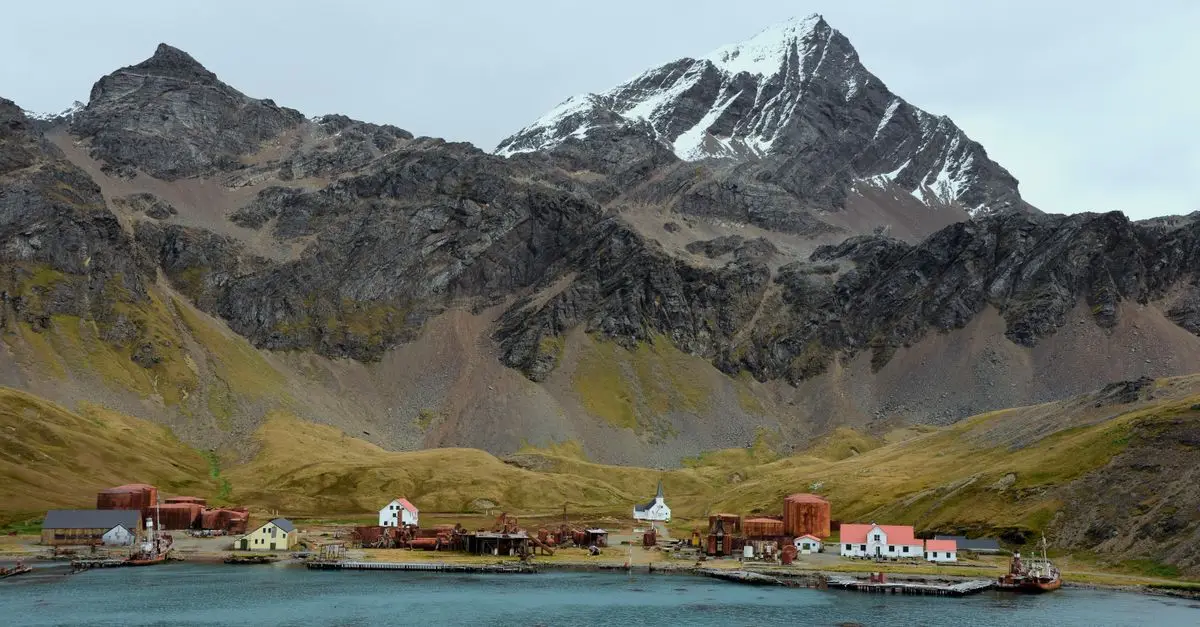
GS country scene

Deemed Permission - Illness or Injury

South GeorgiaMedical treatment

Explore the five recorded questions, answers and sources for this pathway.

Official link

What medical treatment/purpose does the route cover and which applicant role does it address: patient, donor or another medical purpose?

This deemed-permission mechanism does not cover a person travelling to the Territories for medical treatment: it responds to a person already in the Territories who, by reason of illness or injury, is unable to leave or to apply for a permit or an extension on time. The source does not classify the applicant using a patient/donor/other medical-purpose typology; it only establishes that the qualifying event is the applicant's own illness or injury preventing timely departure or application, not a purpose to seek treatment there.

See recorded sources
Limits of the record
  • The source does not categorise the applicant using a patient/donor/other medical-purpose typology, and does not address a donor or companion role.
  • Schedule2 PartC paragraph10, PDFp13
    A person who by reason of illness or injury is unable to leave the Territories or to apply for a permit or an extension to a permit within the specified period.

What acceptance, appointment, referral, treatment plan or healthcare-provider documentation is important?

The checked official sources did not provide enough route-specific evidence to confirm the hospital or healthcare-provider documentation required.

See recorded sources
Limits of the record
  • The deemed-permission clause does not specify a hospital certificate or admission requirement.

How must treatment costs, living costs and insurance be demonstrated?

No health-insurance, treatment-cost or living-cost evidence is stated for this route. Deemed permission covers a person who by reason of illness or injury is unable to leave the Territories or to apply for a permit or an extension to a permit within the specified period (Schedule 2, Part C, para 10). The section 8 refusal grounds, which include not having health insurance (s.8(1)(d)), are applied to deemed permission only for persons in Schedule 2 Parts A and B (s.9(1)(b)), and the pre-entry health-insurance requirement in s.9(3) applies only to Schedule 2 paragraph 7 (ships’ crews).

See recorded sources
Limits of the record
  • Reading by statutory structure: the Ordinance does not state in words that Part C paragraph 10 persons need no health insurance; this is an inference from s.9(1)(b) and s.9(3).
  • Treatment costs and living costs are not addressed by any source read (silence, not an exemption).

Can a carer/companion accompany the patient? Who qualifies and what separate/linked permission applies?

The checked official sources did not provide enough route-specific evidence to confirm whether a companion may accompany the patient and under what permission.

See recorded sources
Limits of the record
  • No derivative permission for a patient companion is established by PartC paragraph10.

How long can the patient stay, what happens if treatment continues longer, and what official extension or follow-up mechanism exists?

The ordinary period follows the time the person remains in the qualifying condition; the Principal Immigration Officer can determine another period. The rule addresses inability to depart or act within a deadline, rather than a scheduled treatment stay.

See recorded sources
Limits of the record
  • The administrative proof and follow-up notification process are not specified.
  • Schedule2 PartC paragraph10, PDFp13
    A person who by reason of illness or injury is unable to leave the Territories or to apply for a permit or an extension to a permit within the specified period.
  • Section9(2)(a), specified period
    in the case of persons of a description in Schedule 2 Parts A and C, the period during which they continue to be of that description;
  • Section9(2)(d)
    such other period (whether longer or shorter than the period that would otherwise apply under paragraphs (a), (b) or (c)) as may be determined by the Principal Immigration Officer.

These are the answers currently recorded in the catalogue. A missing or partial answer is not an eligibility decision.

Your story.
Your next step.

Explore pathways in South Georgia →