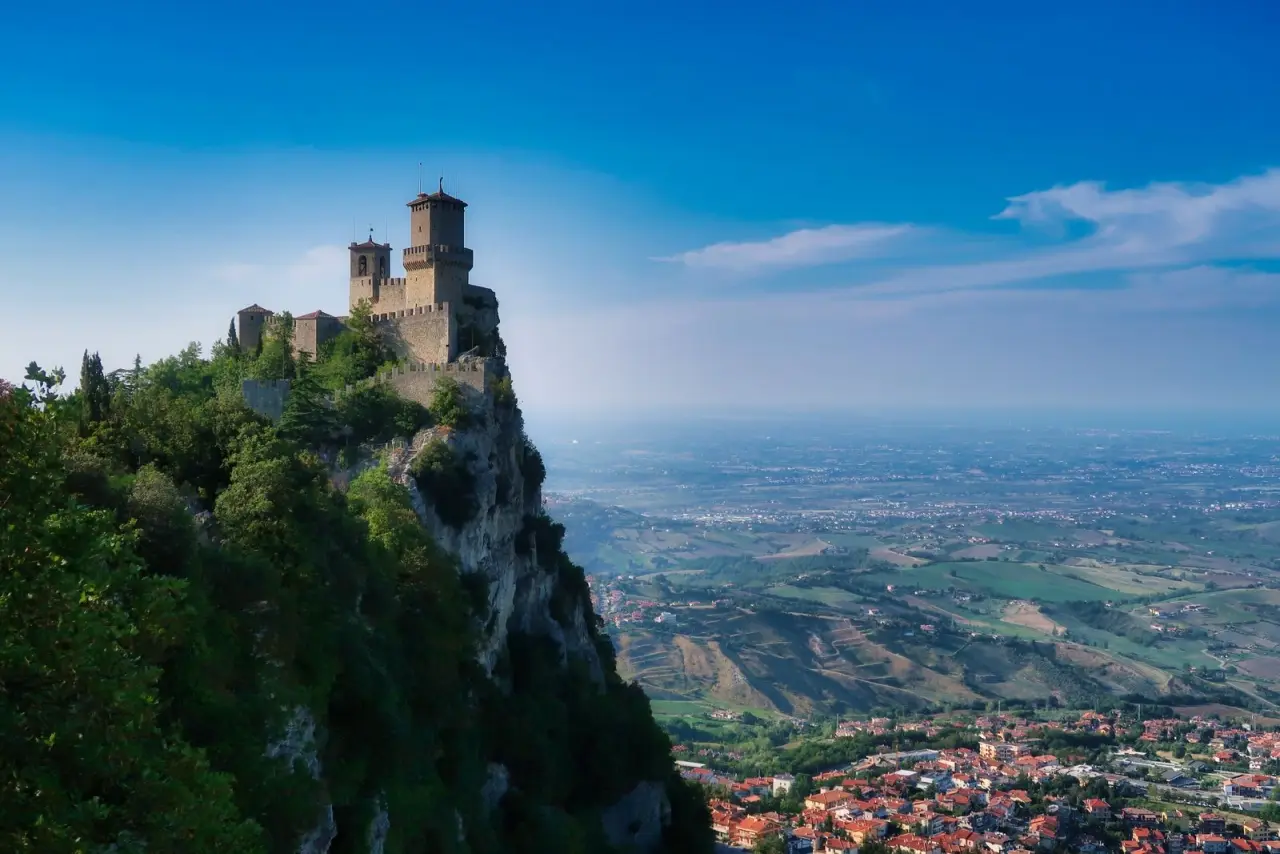
SM country scene

Atypical Residence for Pensioners

San MarinoLiving from your own income

Explore the five recorded questions, answers and sources for this pathway.

Official link

Is this aimed at retirees, pensioners, financially independent people, passive-income holders or another profile?

This route is explicitly for pensioners/retirees: it is aimed at foreign pensioners from European Union countries, Switzerland, and other countries designated by a regulation of the Congress of State.

See recorded sources
  • Art. 16-quater(1)
    La residenza atipica pensionati è concessa ai pensionati provenienti da paesi dell’Unione Europea, dalla Svizzera e da quelli individuati con apposito regolamento del Congresso di Stato,

Which types of income/assets are accepted according to the official source?

The checked official sources did not provide enough route-specific evidence to confirm which types of income or assets are accepted.

See recorded sources
Limits of the record
  • Not established: the correction failed a second independent check (NAO_RESPONDE: R2 asks which income/asset types count; value gives a 6% tax rate on pensions plus two application documents (sufficient-resources proof, SM bank account), none of which states which money counts; residual itself admits types are not listed.)

What income, savings or financial-resources threshold applies and how does family affect it where officially specified?

Demonstrable annual gross income of at least EUR 120,000 and a movable-asset holding in the San Marino banking system of at least EUR 300,000, demonstrable for the whole duration of the residence. Where the applicant is a pensioner who held a Manager or Official role in an International Organisation with demonstrable annual gross income of at least EUR 100,000, the income tax applied is 3%. The official source does not state how family members affect the thresholds.

See recorded sources
Limits of the record
  • The captured text does not state how family members affect the thresholds.

Can the holder work locally, run a business or perform other economic activity? What is the family position?

Until the residence is consolidated, the holder and secondary applicants may not take up any dependent employment in the Broadened Public Sector or in entities participated in by the Eccellentissima Camera, have no right to residence-linked public benefits or to the contribution of Law no. 44 of 31 March 2015, and must bear the full cost of healthcare as set by the Social Security Institute. The applicant may apply to extend the residence to the persons listed in Art. 16(3-bis) who meet the legal requirements. The official source does not state whether the holder may work in the private sector or run a business.

See recorded sources
Limits of the record
  • Whether the holder may work in the private sector or run a business is not stated.

How long is the status granted, what is required for renewal, what physical-presence obligations matter, and what longer-term residence direction exists?

The favourable tax regime is granted for ten consecutive years and is renewable; its effects cease if the substitute tax is not paid or only partly paid. A maximum of 249 such residences may be granted per year (not counting extended family members and not-yet-consolidated residents), a number modifiable each year by delegated decree. Ten years after registration in the resident-population register the residence is consolidated, the article's restrictions cease and the general residence rules apply. The official source does not state physical-presence obligations.

See recorded sources
Limits of the record
  • No physical-presence obligation is stated in Art. 16-quater.

These are the answers currently recorded in the catalogue. A missing or partial answer is not an eligibility decision.

Your story.
Your next step.

Get your free results