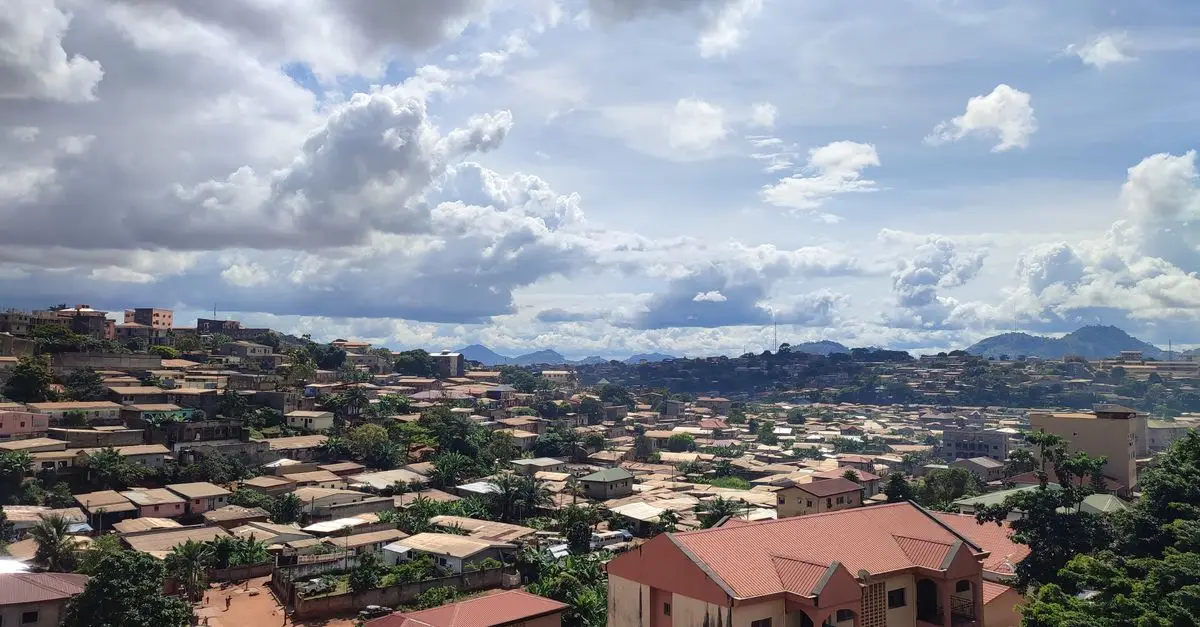
CF country scene

Asylum and Refugee Status Determination

Central African RepublicHumanitarian protection

Explore the five recorded questions, answers and sources for this pathway.

Official link

What exactly is this: asylum, temporary protection, humanitarian admission, resettlement or another protection mechanism?

This is an asylum and refugee-status determination mechanism. UNHCR reports that during 2025 the Central African Republic granted refugee status primarily through a prima facie procedure for large-scale arrivals and continued examining individual asylum applications through the National Commission for Refugees (CNR).

See recorded sources
Limits of the record
  • The current source proves operation in 2025, not a complete consolidated statement of the governing law.
  • Outcome Area 2: Status Determination
    During the year, 8,054 asylum-seekers were granted refugee status, primarily through the prima facie procedure in response to largescale arrivals.
  • Outcome Area 2: Status Determination
    At the same time, the examination of individual asylum applications continued through the National Commission for Refugees (CNR) and its specialized bodies.

Which population, circumstances or geographic group does the mechanism cover?

It covers asylum-seekers in the Central African Republic, including people in large-scale arrivals considered through a prima facie procedure and people whose individual applications are examined. The official source does not state complete legal eligibility grounds or exclusions.

See recorded sources
Limits of the record
  • Complete legal eligibility grounds, exclusions and nationality treatment were not established from the current operational report.
  • Outcome Area 2: Status Determination
    During the year, 8,054 asylum-seekers were granted refugee status, primarily through the prima facie procedure in response to largescale arrivals.
  • Outcome Area 2: Status Determination
    At the same time, the examination of individual asylum applications continued through the National Commission for Refugees (CNR) and its specialized bodies.

Where can protection be requested, and is this a direct application, border/in-country request, referral or other process?

Individual asylum applications continued through the National Commission for Refugees (CNR) and its specialised bodies. The official source does not state a filing address, form, border or in-country intake sequence, or a direct public application contact.

See recorded sources
Limits of the record
  • Current intake locations, filing form, contact details and border or in-country submission steps were not established.
  • Outcome Area 2: Status Determination
    At the same time, the examination of individual asylum applications continued through the National Commission for Refugees (CNR) and its specialized bodies.

What happens after the request: registration, family handling, major support and rights where officially stated?

UNHCR reports that 8,054 asylum-seekers were granted refugee status during 2025, mainly through the prima facie procedure. The Eligibility Sub-Commission held two sessions with UNHCR as observer, the Appeals Commission met once, and draft standard operating procedures were developed. The official source does not state processing times, family handling, documentation, work rights or universal support entitlements.

See recorded sources
Limits of the record
  • Processing times, family handling, documents, work rights and individual support entitlements were not established.
  • Outcome Area 2: Status Determination
    During the year, 8,054 asylum-seekers were granted refugee status, primarily through the prima facie procedure in response to largescale arrivals.
  • Outcome Area 2: Status Determination
    The Eligibility Sub Commission convened two sessions, with UNHCR participating as an observer, while the Appeals Commission met once, ensuring procedural safeguards and oversight.
  • Outcome Area 2: Status Determination
    With UNHCR’s support, draft Standard Operating Procedures (SOPs) for RSD in the CAR and SOPs for the civilian and humanitarian character of asylum were developed to clarify institutional roles, standardize procedures and strengthen due process guarantees.

Which competent authority, UN body or official assistance channel should the person use?

The National Commission for Refugees (CNR) and its specialised bodies are the channel for individual applications. UNHCR attends Eligibility Sub-Commission sessions as an observer and supported the development of draft standard operating procedures. The official source does not state a public intake address or telephone number.

See recorded sources
Limits of the record
  • Current public CNR or UNHCR intake contact details and a country-specific fraud warning were not established.
  • Outcome Area 2: Status Determination
    At the same time, the examination of individual asylum applications continued through the National Commission for Refugees (CNR) and its specialized bodies.
  • Outcome Area 2: Status Determination
    The Eligibility Sub Commission convened two sessions, with UNHCR participating as an observer, while the Appeals Commission met once, ensuring procedural safeguards and oversight.
  • Outcome Area 2: Status Determination
    With UNHCR’s support, draft Standard Operating Procedures (SOPs) for RSD in the CAR and SOPs for the civilian and humanitarian character of asylum were developed to clarify institutional roles, standardize procedures and strengthen due process guarantees.

These are the answers currently recorded in the catalogue. A missing or partial answer is not an eligibility decision.

Your story.
Your next step.

Explore pathways in Central African Republic →