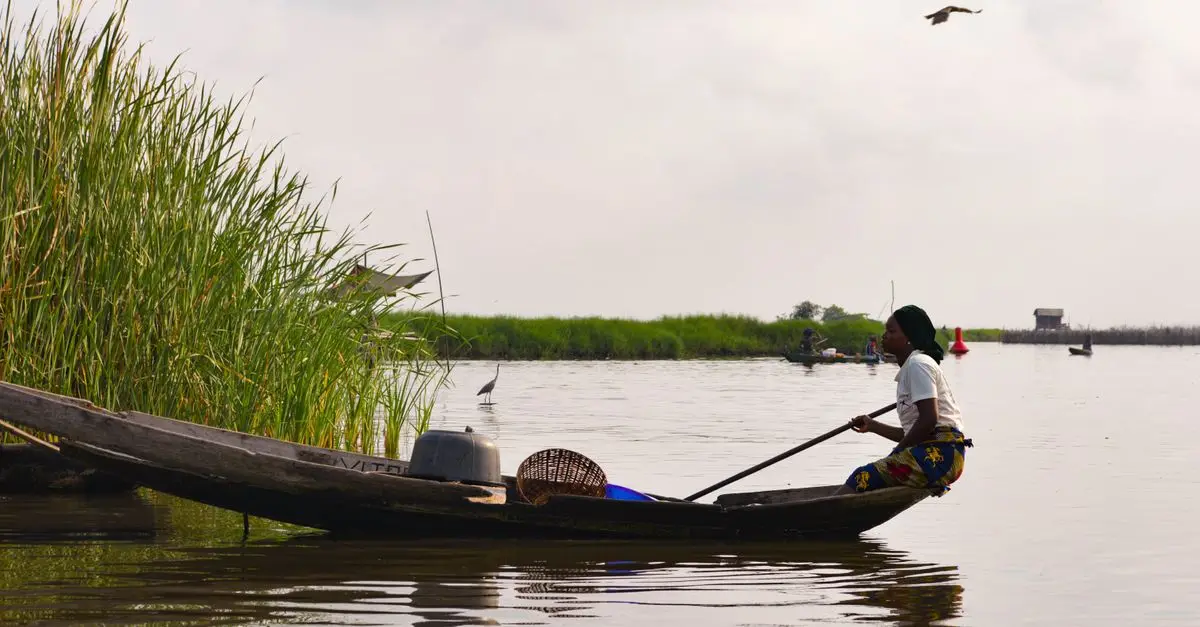
BJ country scene

ECOWAS Right of Establishment

BeninFree movement

Explore the five recorded questions, answers and sources for this pathway.

Official link

Which citizenship, status or regional agreement creates the person's right to move/reside?

The person's right derives from ECOWAS Supplementary Protocol A/SP.2/5/90 on the Implementation of the Third Phase (Right of Establishment) of the Protocol on Free Movement of Persons, the Right of Residence and Establishment (signed in Banjul, 29 May 1990; Benin is a signatory). The Right of Establishment is the right granted to a citizen of a Member State to settle or establish in another Member State, with access to economic activities and to set up and manage enterprises, under the same conditions the host state's laws set for its own nationals.

See recorded sources
  • Supplementary Protocol A/SP.2/5/90, Article 1
    "Right of Establishment" means the right granted to a citizen who is a national of the Member State to settle or establish in another Member State other than his State of Origin, and to have access to economic activities, to carry out these activities as well as to set up and manage enterprises, and in particular companies, under the same conditions as defined by the legislation of the host Member State for its own nationals.

Under which circumstances can the person reside: worker, self-employed, student, jobseeker, self-funded person or another recognised basis?

The right of establishment covers access to non-salaried activities and their exercise, and the creation and management of enterprises and companies, on the host country's own conditions for its own nationals. Each Member State must accord non-discriminatory treatment to nationals and companies of other Member States in matters of establishment and services, without prejudice to laws that give non-nationals special treatment where justified by public order, security or public health.

See recorded sources
  • Supplementary Protocol A/SP.2/5/90, Article 2
    The right of establishment as defined in Article 1 above shall include access to non-salaried activities and the exercise of such activities as well as the creation and management of enterprises and companies which comply with the definition contained in Article 3 below subject to the same conditions stipulated by the laws and regulations of the country of establishment for its own nationals.
  • Supplementary Protocol A/SP.2/5/90, Article 4(1)
    In matters of establishment and services, each Member State shall undertake to accord non-discriminatory treatment to nationals and companies of other Member States.
  • Supplementary Protocol A/SP.2/5/90, Article 4(3)
    The provisions of this Protocol and measures taken as a result thereof shall be without prejudice to the application of legislative and administrative provisions, which provide a special treatment for non-nationals and are justified by exigencies of public order, security or public health.

What entry, registration or residence-document formalities remain?

The Protocol does not set out an individual application or documentary procedure for obtaining establishment status; instead it places cooperation duties on Member States to remove administrative obstacles to establishment, including making it possible for a national of one Member State to acquire and exploit landed property in another Member State, in so far as that host state's own laws and regulations permit it.

See recorded sources
Limits of the record
  • No personal application procedure (comparable to the Residence Card process in the Second Phase Protocol) is set out for obtaining establishment status; this Protocol instead places cooperation and administrative-obstacle-removal duties on Member States.
  • Supplementary Protocol A/SP.2/5/90, Article 12(4)
    make possible the acquisition and exploitation of landed property situated in the territory of one Member State by a national of another Member State, in-so-far as this is permitted by the laws and regulations of the host Member State;

Which non-member-country family members can accompany or join, and what broad rights do they receive?

The ECOWAS establishment protocol defines the beneficiary as a citizen of a Member State. The protocol does not establish which non-member-country family members may accompany or join, or any rights for them.

See recorded sources
Limits of the record
  • The supplied ECOWAS establishment protocol does not establish accompaniment, joining or derivative rights for non-member-country family members.
  • Supplementary Protocol A/SP.2/5/90, Article 1
    "Right of Establishment" means the right granted to a citizen who is a national of the Member State to settle or establish in another Member State other than his State of Origin, and to have access to economic activities, to carry out these activities as well as to set up and manage enterprises, and in particular companies, under the same conditions as defined by the legislation of the host Member State for its own nationals.

When do permanent/long-term rights arise and what continuity, absence or retention conditions matter?

The Right of Establishment granted by this Protocol is an ongoing right to settle and carry out economic activity in another Member State under the host state's own conditions for its own nationals; the Protocol does not itself set out a separate route to permanent residence or citizenship beyond that continuing right of establishment.

See recorded sources
Limits of the record
  • No separate permanent-residence or citizenship-progression mechanism is stated in this Protocol; the right of establishment is defined once, in Article 1, as an ongoing right conditioned on carrying out economic activity under host-state law.
  • Supplementary Protocol A/SP.2/5/90, Article 1
    "Right of Establishment" means the right granted to a citizen who is a national of the Member State to settle or establish in another Member State other than his State of Origin, and to have access to economic activities, to carry out these activities as well as to set up and manage enterprises, and in particular companies, under the same conditions as defined by the legislation of the host Member State for its own nationals.

These are the answers currently recorded in the catalogue. A missing or partial answer is not an eligibility decision.

Your story.
Your next step.

Explore pathways in Benin →